
Shipping products efficiently is vital to any business that wants to stay profitable and maintain customer satisfaction. However, many companies unknowingly waste money by making small packaging errors that quickly add up to higher delivery costs. From using the wrong materials to poor box sizing, these mistakes can shrink your profit margins and frustrate your customers. The good news? Preventing them is easier than you think. By using protective products like bubble wrap and choosing smarter packing strategies, you can keep your items safe while cutting unnecessary expenses. Below are common packaging mistakes that can quietly drive up your shipping costs—and how to avoid them.
Choosing the Wrong Box Size
One of the most frequent (and expensive) errors in shipping is selecting packaging that’s either too large or too small for the product. Oversized boxes require extra filler material, which increases both supply and dimensional weight charges. On the other hand, boxes that are too tight risk damaging your items, leading to replacements and returns that cost far more than the right-sized container would have. The trick is to match the box dimensions closely to your product’s size and shape, leaving just enough space for cushioning materials. A precise fit not only saves you money but also gives your packaging a more professional look, signaling reliability and care to your customers.
Using Excessive Packaging Materials

While it’s important to protect your items, overpacking can be a costly mistake. Many businesses add unnecessary layers of padding or filler, assuming more protection is always better. But those extra materials add weight, increase shipping charges, and waste resources. Instead, focus on using the right materials efficiently. High-quality cushioning—like air pillows, paper fillers, or lightweight padding—offers excellent protection without extra bulk. The goal is balance: enough material to absorb shocks but not so much that you’re paying to ship empty space. Strategic use of packaging materials keeps your parcels light and your budget in check.
Ignoring the Importance of Proper Cushioning
Some shippers underestimate the importance of using the proper internal protection. Fragile or delicate items packed without reliable cushioning are more likely to break during transit, resulting in replacement costs, customer complaints, and wasted time. Good cushioning materials, such as foam inserts, air cushions, or bubble padding, distribute pressure evenly and minimize movement inside the box. Neglecting this detail can transform a simple delivery into a financial loss. Reliable cushioning not only keeps products safe but also reflects a company’s commitment to quality and professionalism.
Failing to Use Lightweight, Durable Materials
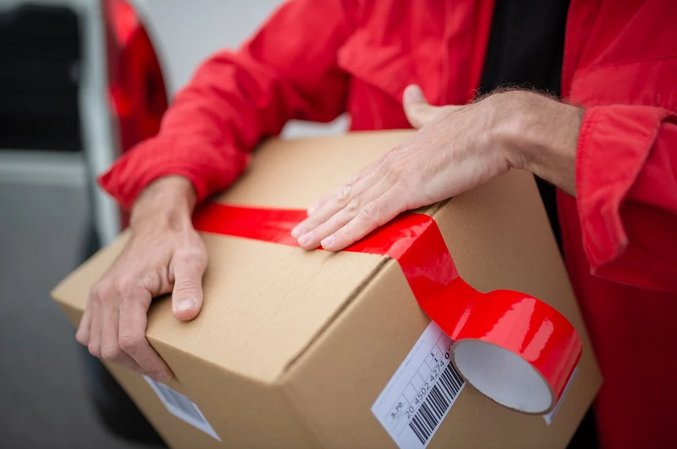
Shipping carriers often charge by both size and weight, so using heavy materials can unnecessarily inflate your costs. Corrugated cardboard, lightweight fillers, and protective padding are your best friends in minimizing expenses. Heavy packaging materials such as wood or thick plastic seem more secure, but they can double your shipping charges with little added benefit. Lightweight alternatives, particularly those made from recycled or reinforced paper fibers, can provide just as much protection. Adopting these materials reduces both freight costs and environmental impact, helping your brand appear both smart and sustainable.
Not Labeling and Documenting Properly
A surprising number of shipping issues stem from incorrect or incomplete labeling. A misplaced or smudged address label can cause your parcel to be sent to the wrong destination, resulting in additional postage costs or customer complaints. Worse still, inconsistent labeling can slow down the shipping process and lead to avoidable surcharges from carriers. To fix this, always use clear, legible labels with accurate information. If you print your own labels, protect them with tape or sleeves to prevent smearing or tearing during handling. Consistent labeling practices save money, time, and credibility—three things no business can afford to lose.
Small mistakes in packaging can have a big impact on your shipping budget. Using oversized boxes, overpacking, skipping proper cushioning, selecting heavy materials, or labeling poorly can each add unnecessary costs to your bottom line. Paying attention to size, weight, and protection helps streamline your shipping process while preserving your profit margins. By choosing materials wisely and developing consistent packing habits, businesses can reduce waste, prevent damage, and ship more efficiently—all while giving customers a better delivery experience.