
Flying has become the default way to travel long distances, but it’s not always the best experience. Airports are stressful, security lines are long, and once you’re in the air, the journey itself is often a blur above the clouds. Meanwhile, train travel is quietly making a comeback for travelers who want the journey to matter just as much as the destination. Across the world, there are train routes that offer incredible scenery, comfort, and a slower rhythm that flying simply can’t match. These journeys turn travel into something immersive rather than rushed, allowing passengers to see the landscapes they’re passing through rather than skipping over them.

Train Travel Feels Like Part of the Adventure
Unlike flying, where the journey feels like a transition, train travel is part of the experience itself. You’re not isolated in a seat above the world; you’re moving through it at ground level, watching cities, villages, forests, and mountains unfold in real time. Many travel enthusiasts exploring slower travel experiences through resources often describe train journeys as more meaningful because they create space for reflection. Instead of rushing from airport to airport, travelers actually witness the changing scenery and feel connected to the places they pass through.
The Glacier Express Feels Like a Moving Cinema
One of the most famous scenic rail routes is the Glacier Express in Switzerland. Often called the “slowest express train in the world,” it travels through the Swiss Alps, crossing dramatic valleys, deep gorges, and picturesque mountain villages. What makes this journey special is not speed but perspective. Large panoramic windows turn the entire trip into a cinematic experience. Instead of focusing on getting somewhere quickly, passengers are encouraged to sit back and absorb the view.
The West Highland Line Feels Like a Film Set
Scotland’s West Highland Line is another hidden gem that often surprises travelers. The route passes through remote highlands, misty valleys, and iconic viaducts that look straight out of a fantasy film. One of its most famous sections crosses the Glenfinnan Viaduct, a structure known worldwide for its cinematic appearance. Unlike flying, which compresses landscapes into abstract views from above, this train journey places travelers directly inside the scenery.
The Rocky Mountaineer Redefines Comfort Travel
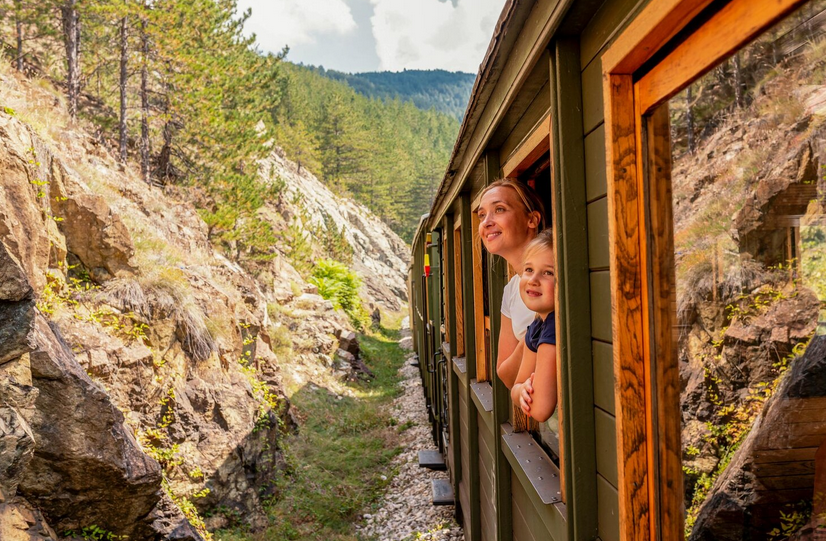
In Canada, the Rocky Mountaineer offers a luxury rail experience through the Rocky Mountains. It’s not just transportation; it’s a carefully designed journey that prioritizes comfort, storytelling, and breathtaking scenery. Passengers enjoy gourmet meals, glass-domed coaches, and curated narration about the landscapes passing by. Snow-capped peaks, turquoise rivers, and dense forests create a constantly changing backdrop that feels far more immersive than anything seen from an airplane window.
Slower Travel Creates Better Memories
One of the biggest advantages of train journeys is the pace. Slower travel allows time for conversations, reading, thinking, or simply watching the world go by. This sense of slowness often leads to stronger memories because the experience isn’t compressed or rushed. Flying tends to flatten travel into departure and arrival points, while train journeys emphasize everything in between. Those in-between moments often become the most memorable parts of the trip.
Train Stations Offer More Character Than Airports
Airports around the world tend to feel similar: large, commercial, and somewhat disconnected from local culture. Train stations, on the other hand, often reflect the personality of the city they’re in. Some are historic architectural landmarks, while others feel like lively community spaces. Arriving by train also changes the way travelers enter a destination. Instead of landing on the outskirts and taking transport into the city, trains often arrive directly in the heart of town, making the transition feel more natural and less disruptive.
Sustainability Is Becoming Part of the Decision
Another reason train travel is gaining popularity is environmental awareness. Trains generally produce fewer emissions per passenger compared to airplanes, making them a more sustainable choice for many routes. For travelers who want to reduce their environmental impact without sacrificing experience, trains offer a practical and enjoyable alternative. This combination of sustainability and scenery makes rail travel especially appealing to modern explorers.
Hidden train journeys around the world prove that travel doesn’t need to be fast to be meaningful. From the mountains of Switzerland to the forests of Canada and the highlands of Scotland, rail routes offer experiences that flying simply cannot replicate. While airplanes will always be important for long-distance travel, trains remind us that the journey itself can be just as valuable as the destination. In many cases, slowing down is exactly what makes travel unforgettable.