
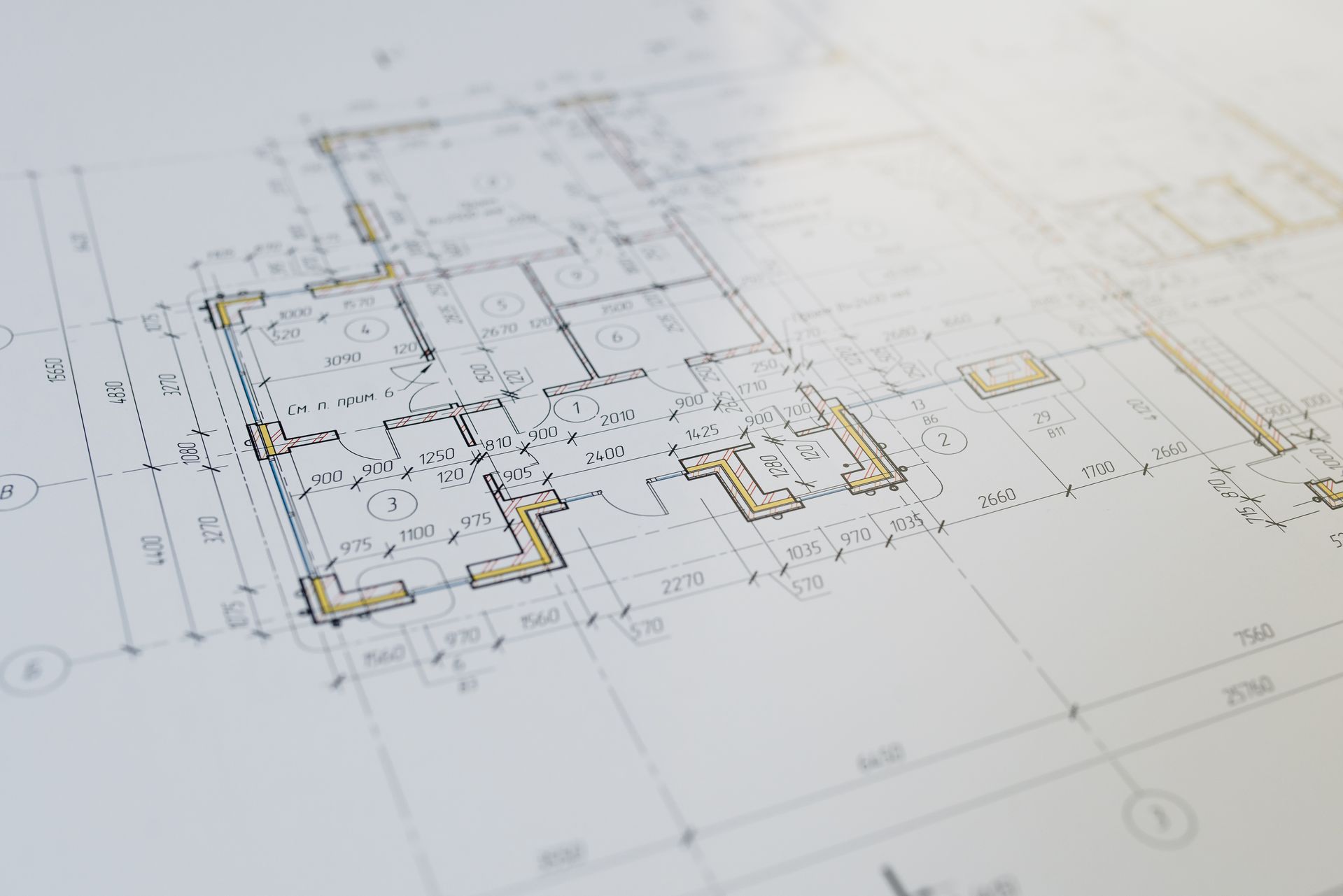
A condo floor plan can look like a maze of lines and numbers at first glance. Yet experienced buyers know that reading it properly can reveal far more than a glossy brochure ever could. Before getting distracted by furniture layouts, many buyers spend time reviewing the floor plan to understand how the space will actually function. That simple habit can help prevent expensive surprises later. Think of a floor plan as the blueprint of your future routine. It shows how you will move, live, relax, and store your belongings. A few extra minutes studying it today can save years of frustration.

Start by Looking at Space Flow
Most buyers immediately focus on square footage. Smart buyers focus on movement. They want to know how people will travel through the home from room to room. A large condo can feel cramped if the layout wastes space. Long hallways, awkward corners, and poorly placed doorways can reduce usability. Sometimes a smaller unit feels much larger simply because the design works better. A practical layout makes things simple. The relationship between living, dining, and kitchen areas also deserves attention. Spaces that connect naturally often create a more comfortable living experience.
Pay Attention to Bedroom Placement
Bedroom locations reveal a lot about privacy. Experienced buyers check how close bedrooms are to shared living spaces. A bedroom beside a noisy entertainment area may become less appealing over time. Families often prefer separation between sleeping and gathering zones. This arrangement can create a quieter environment. Good placement contributes to everyday comfort. Another factor involves room shape. Rectangular bedrooms usually provide greater flexibility for furniture placement. Oddly shaped rooms can limit decorating options and reduce functionality. Window positions matter too. Natural light can transform a bedroom.
Look Beyond the Numbers
Floor plans contain measurements, but numbers alone do not tell the full story. Buyers should consider how those dimensions translate into real-life use. A large room with poor proportions may not feel practical. Visualize your existing furniture inside the space. Think about where the sofa, dining table, or bed will go. This simple exercise can reveal hidden challenges. Storage areas deserve careful attention. Closets, utility spaces, and kitchen cabinets often influence daily convenience more than people expect. Storage may not be glamorous, but it earns its keep every day.

Study Windows and Ventilation
Windows are more important than many buyers realize. They affect natural light, airflow, and overall comfort. Experienced buyers always examine their placement. A bright living room can feel larger and more welcoming. Good airflow can improve comfort throughout the year. These details influence daily satisfaction long after decorative trends change. Check which rooms receive natural light. Consider how sunlight may shift throughout the day. Small observations like these often separate average purchases from excellent ones.
Think About Future Resale Appeal
Experienced buyers rarely focus only on current needs. They also consider what future buyers may want. A practical floor plan often attracts broader interest when it comes time to sell. Flexible spaces tend to perform well. A room that functions as an office today and a nursery tomorrow appeals to different lifestyles.
Adaptability adds value. Good layouts, sensible room placement, strong storage, and effective use of natural light consistently attract attention. These features remain desirable across changing market conditions. Smart buyers understand that a floor plan is far more than a drawing. It is a preview of how a home will support daily life for years to come.…





 One of the biggest benefits of leasing a warehouse is the reduced initial financial commitment. Buying a property requires a large capital investment, including deposits, legal fees, and financing costs. This can limit cash flow and reduce the funds available for other business activities. Leasing removes this pressure by offering more manageable payment structures. Businesses can allocate their capital to areas such as inventory, staffing, or expansion. Lower upfront costs make it easier for both startups and established companies to operate without heavy financial strain. This approach allows businesses to remain flexible while still securing the space they need for operations.





 Muscle building on a
 Planning ahead is the secret weapon of every successful plant-based athlete. Start with a protein base like lentils or tofu, then build around it with grains, greens, and fats. This keeps your nutrition balanced without feeling repetitive or boring. Batch cooking can save time and prevent poor food choices on busy days. Having pre-prepped ingredients makes sticking to your goals easier. Consistency always beats perfection when it comes to long-term results.


 Every great theater production starts with a vision. Directors and producers are the masterminds behind this vision. The director interprets the script and brings it to life, guiding actors and the creative team to ensure a cohesive and compelling performance. Meanwhile, the producer handles the business side, from securing funding and managing budgets to marketing the show.
 Rehearsals are where everything comes together. Actors, directors, and the creative team work tirelessly to perfect the performance. It’s a time of experimentation, learning, and refining. Tech rehearsals integrate lighting, sound, and set changes, ensuring that every element works seamlessly. Dress rehearsals are the final step, giving the cast and crew a chance to perform as if it’s the real thing, ironing out any last-minute kinks.
 If you want to boost your productivity at work, you need to start by improving your lifestyle and making it healthier. It means eating a balanced diet, exercising regularly, and getting enough sleep every night. When your body is healthy and well-rested, it will be able to function at its best, and you’ll be able to get more done during the day. Start by making small changes and gradually incorporating more healthy habits into your life.
 Lastly, one of the best ways to boost your productivity is to create a positive and calm environment for yourself. For some people, that means working in silence, while others prefer to listen to music. If you find that music helps you focus and gets you in the zone, create a playlist of calming and uplifting songs you can play when you need to get work done.
 A pay stub is a document that shows an employee’s earnings and deductions for a given pay period. It can be used as proof of income when applying for a loan or other financial products or filing your taxes. Some employers also require their employees to provide copies of their pay stubs as part of their onboarding process.
 If you are looking for proof of employment, a pay stub is a perfect way to show your current or potential employer that you have worked and been paid for the work you have done. A pay stub can also help in establishing a credit history. A pay stub shows how much money has been earned over a certain period and records deductions, such as income tax and social security. If you are starting your own business, you can also use a pay stub to show proof of income. This is especially important if you are looking for a loan or establishing credit.