

Switching to a plant-based diet often raises one big fear. That is losing muscle. But with the right approach, your gains don’t have to vanish along with your steak dinners. The truth is, plant proteins can build and maintain muscle just as effectively if you know how to use them strategically. Building muscle isn’t only about protein; it’s about consistency and balance. A well-planned plant-based diet gives your body the fuel it needs to repair, recover, and grow. Let’s break down how to keep your muscles happy while eating plants like a pro.
Focus on Protein Quality and Quantity
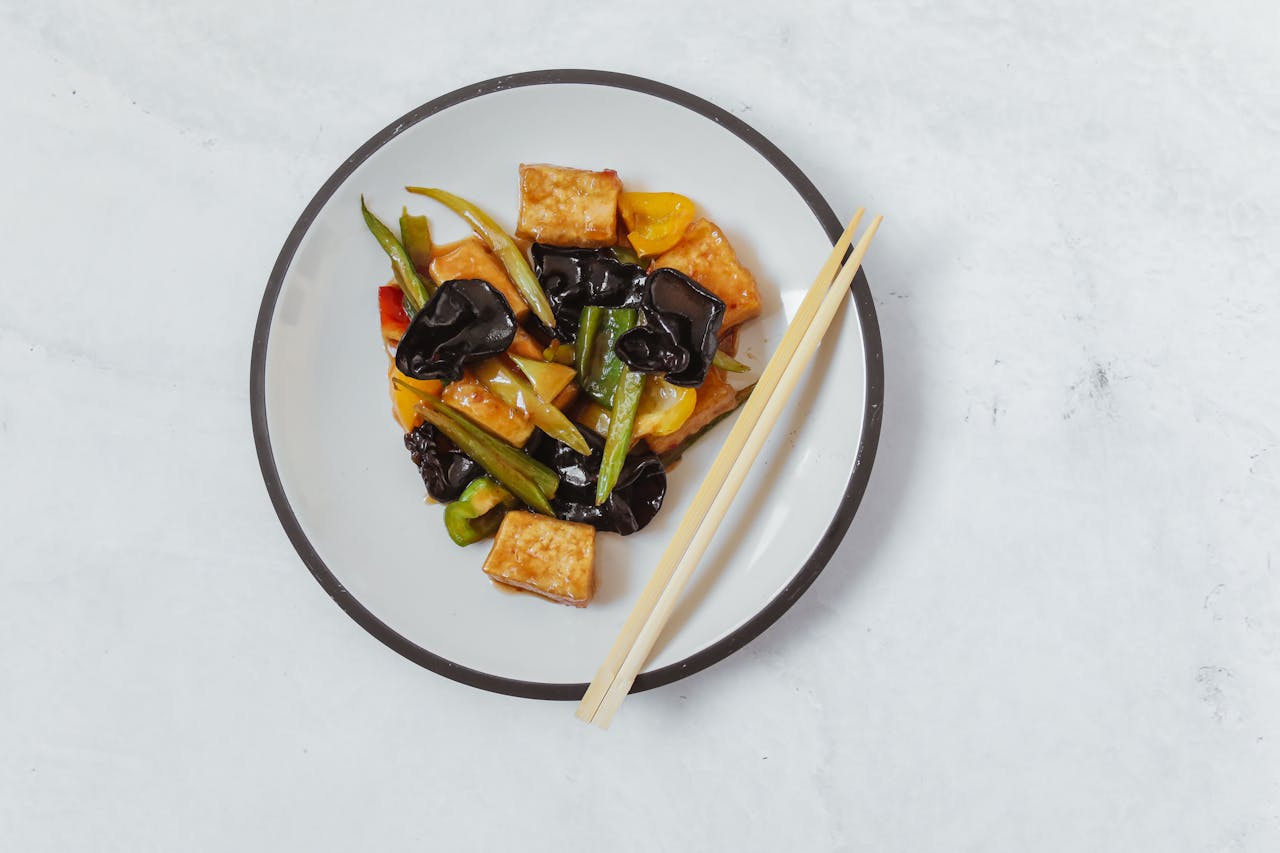 Muscle building on a plant-based diet starts with smart protein choices. Legumes, lentils, beans, tofu, and tempeh are all excellent sources that keep your muscles fed. Combining different plant foods ensures a complete amino acid profile, which supports strength and recovery. Whole grains like quinoa and brown rice add extra protein and slow-digesting carbs. Mixing them with beans or nuts increases the overall amino acid diversity in your diet. Aim for consistent protein intake throughout the day rather than saving it all for dinner.
Timing Matters More Than You Think
Eating protein at regular intervals is key to muscle retention. Your body can only absorb so much protein at once, so spacing out meals helps maintain a steady flow of amino acids. Aim for balanced meals every three to four hours to keep your metabolism active. After workouts, the body needs quick nourishment to repair fibers. A smoothie with plant protein powder, almond butter, and fruit works well for post-exercise recovery. It’s simple, fast, and helps muscles rebuild efficiently.
Don’t Forget Calories and Carbohydrates

A plant-based diet can accidentally become too low in calories, which hurts muscle growth. Plants are naturally filling and less calorie-dense than animal foods. To counter that, include calorie-rich options like nuts, seeds, and avocado in your meals. Carbohydrates often get unfair criticism, but they’re essential for energy. Whole grains, starchy vegetables, and fruits fuel your workouts and help your body use protein more efficiently. Think of carbs as the spark that keeps the engine running.
Essential Nutrients That Support Muscle Growth
Protein isn’t the only nutrient that keeps muscles strong. Iron, zinc, and B12 are vital for energy production and recovery. Since these nutrients are sometimes lower in plant-based diets, consider fortified foods or supplements if needed. Omega-3 fatty acids from flaxseeds or algae-based sources also support muscle repair. Don’t underestimate their role in reducing inflammation after tough workouts. Keeping these nutrients in balance helps your body perform at its peak.
Smart Meal Planning for Consistency
 Planning ahead is the secret weapon of every successful plant-based athlete. Start with a protein base like lentils or tofu, then build around it with grains, greens, and fats. This keeps your nutrition balanced without feeling repetitive or boring. Batch cooking can save time and prevent poor food choices on busy days. Having pre-prepped ingredients makes sticking to your goals easier. Consistency always beats perfection when it comes to long-term results.
Building and keeping muscle on a plant-based diet isn’t rocket science—it’s structure and smart choices. A mix of protein variety, regular eating patterns, and key nutrients will keep your muscles thriving. So grab that tofu, toss in some quinoa, and flex your plant-powered strength with confidence.…



 Every great theater production starts with a vision. Directors and producers are the masterminds behind this vision. The director interprets the script and brings it to life, guiding actors and the creative team to ensure a cohesive and compelling performance. Meanwhile, the producer handles the business side, from securing funding and managing budgets to marketing the show.
 Rehearsals are where everything comes together. Actors, directors, and the creative team work tirelessly to perfect the performance. It’s a time of experimentation, learning, and refining. Tech rehearsals integrate lighting, sound, and set changes, ensuring that every element works seamlessly. Dress rehearsals are the final step, giving the cast and crew a chance to perform as if it’s the real thing, ironing out any last-minute kinks.
 If you want to boost your productivity at work, you need to start by improving your lifestyle and making it healthier. It means eating a balanced diet, exercising regularly, and getting enough sleep every night. When your body is healthy and well-rested, it will be able to function at its best, and you’ll be able to get more done during the day. Start by making small changes and gradually incorporating more healthy habits into your life.
 Lastly, one of the best ways to boost your productivity is to create a positive and calm environment for yourself. For some people, that means working in silence, while others prefer to listen to music. If you find that music helps you focus and gets you in the zone, create a playlist of calming and uplifting songs you can play when you need to get work done.
 A pay stub is a document that shows an employee’s earnings and deductions for a given pay period. It can be used as proof of income when applying for a loan or other financial products or filing your taxes. Some employers also require their employees to provide copies of their pay stubs as part of their onboarding process.
 If you are looking for proof of employment, a pay stub is a perfect way to show your current or potential employer that you have worked and been paid for the work you have done. A pay stub can also help in establishing a credit history. A pay stub shows how much money has been earned over a certain period and records deductions, such as income tax and social security. If you are starting your own business, you can also use a pay stub to show proof of income. This is especially important if you are looking for a loan or establishing credit.