
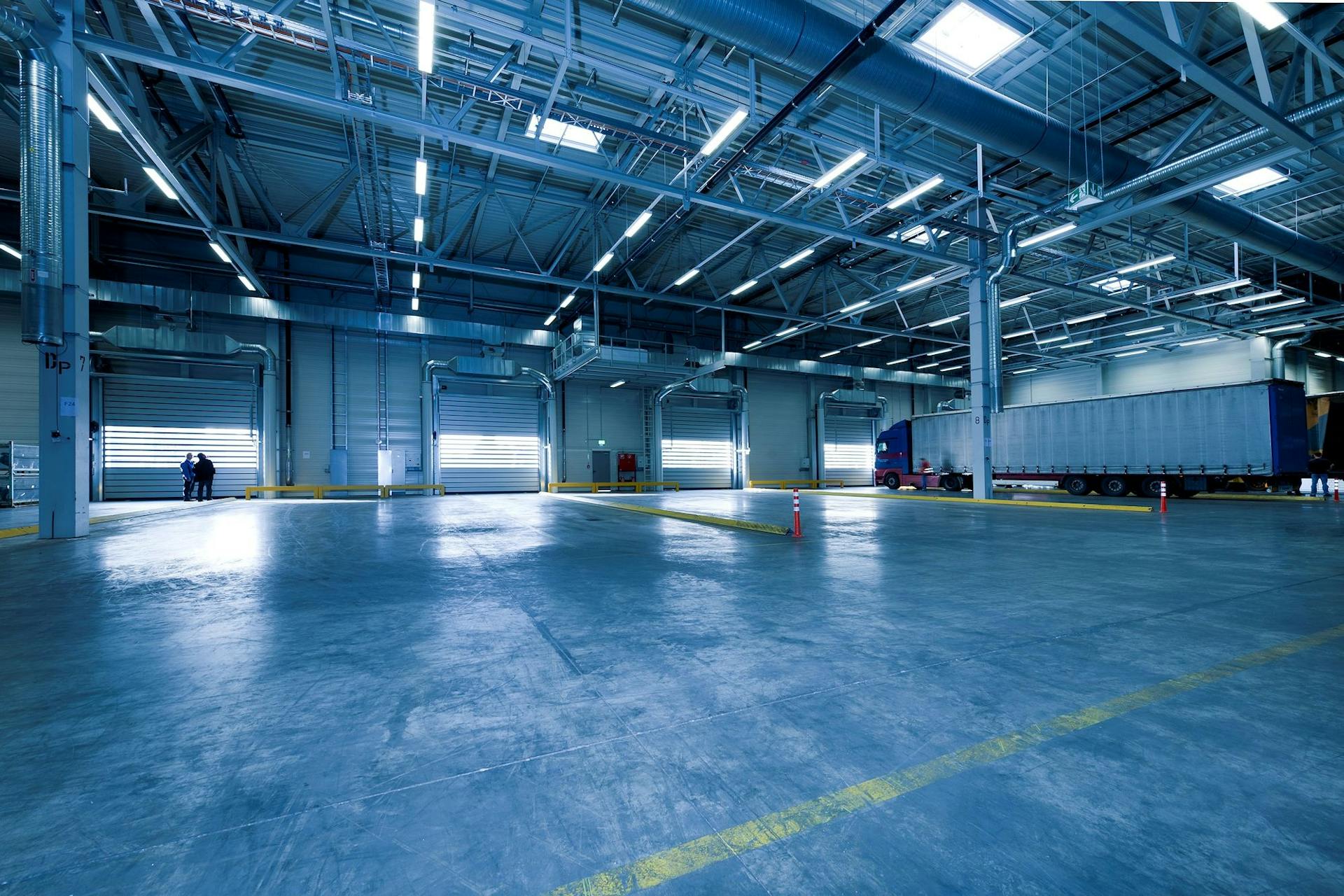
For many growing businesses, deciding between leasing and buying a warehouse can shape long-term financial outcomes. While ownership may seem appealing at first, it often comes with heavy upfront costs and ongoing responsibilities that can strain resources. Leasing, on the other hand, offers a more flexible path that aligns better with changing business needs. Warehouses to rent provide businesses with access to well-located spaces without the burden of full ownership. This allows companies to focus on operations rather than property management. As markets shift and business demands evolve, leasing continues to stand out as a practical choice. Understanding its advantages can help businesses make smarter decisions that support growth and financial stability over time with better resource allocation.
Lower Upfront Costs
 One of the biggest benefits of leasing a warehouse is the reduced initial financial commitment. Buying a property requires a large capital investment, including deposits, legal fees, and financing costs. This can limit cash flow and reduce the funds available for other business activities. Leasing removes this pressure by offering more manageable payment structures. Businesses can allocate their capital to areas such as inventory, staffing, or expansion. Lower upfront costs make it easier for both startups and established companies to operate without heavy financial strain. This approach allows businesses to remain flexible while still securing the space they need for operations.
Reduced Maintenance Responsibilities
Property ownership comes with maintenance and repair responsibilities that can add significant costs over time. From structural repairs to general upkeep, these expenses can quickly increase operational spending. When leasing, many of these responsibilities are handled by the property owner or management company. This reduces the financial burden on the business and allows it to focus on core activities. Having fewer maintenance concerns also saves time and reduces stress for business owners. Leasing shifts much of the responsibility away from the tenant, making day-to-day operations smoother and more predictable.
Access to Prime Locations
Leasing makes it easier for businesses to operate in strategic locations that might otherwise be too expensive to purchase. Areas with strong infrastructure, transport links, and business activity often come with high property prices. Leasing provides access to these areas without requiring a large investment. Being located in a well-connected area can improve logistics, reduce transport costs, and enhance overall efficiency. Businesses benefit from better accessibility for both suppliers and customers. This advantage can have a direct impact on productivity and growth, making location a key factor in the decision to lease rather than buy.
Greater Flexibility for Business Growth
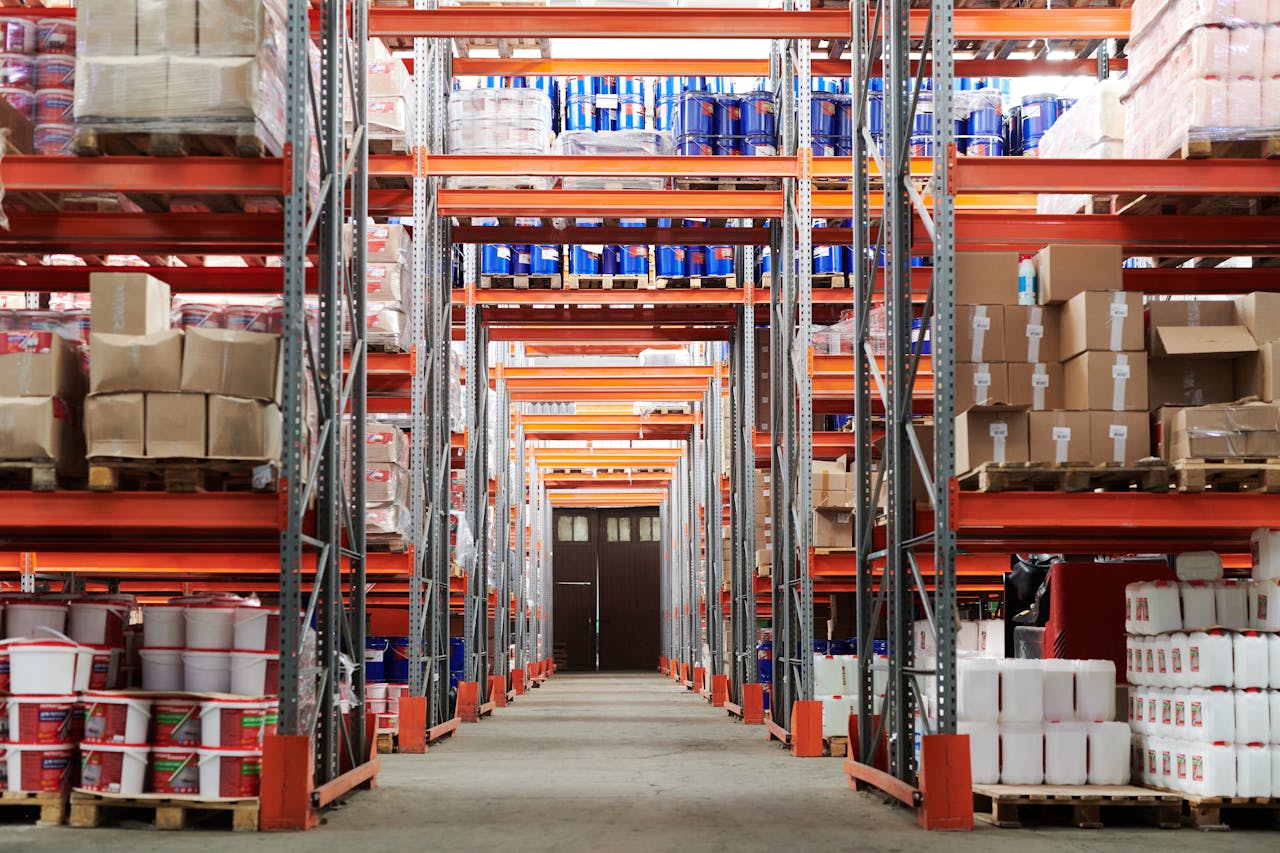
Leasing provides flexibility that ownership often cannot match. As businesses grow or change direction, their space requirements may shift. Leasing allows companies to adjust more easily by upgrading, downsizing, or relocating when needed. This is particularly useful in fast-moving industries where demand can change quickly. Owning a warehouse can tie a business to one location, making it harder to adapt. Leasing, however, offers options that support growth without long-term restrictions. This flexibility helps businesses stay competitive and respond to market changes without being held back by fixed property commitments over time.
Improved Cash Flow Management
Maintaining steady cash flow is essential for any business, and leasing supports this goal more effectively than buying. Regular lease payments are easier to plan for compared to large, unpredictable expenses associated with property ownership. This stability helps businesses manage their finances with greater confidence. By avoiding large capital commitments, companies can maintain liquidity and respond to opportunities as they arise. Improved cash flow also allows for better planning and investment in other areas of the business. Leasing creates a financial structure that supports both short-term needs and long-term goals.
Leasing a warehouse offers clear advantages for businesses looking to balance cost, flexibility, and operational efficiency. Lower upfront expenses make it easier to allocate resources effectively, while flexible lease terms allow businesses to adapt as they grow. Reduced maintenance responsibilities and access to prime locations further improve the overall value of leasing. In addition, better cash flow management helps businesses stay financially stable and ready for new opportunities. While ownership may suit some situations, leasing often provides a more practical and less restrictive option. By choosing to lease, businesses can focus on growth, efficiency, and long-term success without the added pressure of property ownership.…